Why Rural Basketball Programs Need More Competitive Opportunities
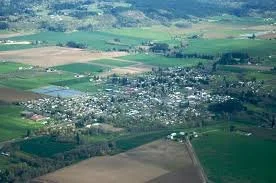
Across Oregon and many parts of the country, rural basketball programs face challenges that larger schools often do not. Limited access to nearby competition, longer travel distances, and smaller participation numbers can make it difficult for athletes and teams to find consistent opportunities to develop throughout the year.
While these challenges are not new, they have become increasingly important as schools look for ways to support athlete development and maintain participation in youth sports.
The Challenge of Geography
For many rural communities, attending a tournament or team camp can require significant travel. Programs may spend hours on the road to reach quality competition, creating additional costs and time commitments for schools and families.
These barriers can limit how often teams participate in off-season events and reduce opportunities for athletes to gain valuable game experience.
Why Competition Matters
Practice is essential, but athletes improve most when they can apply skills in live competition. Competitive games help players develop decision-making, communication, confidence, and adaptability in ways that practice alone cannot replicate.
For teams, consistent competition also helps coaches evaluate lineups, identify areas for improvement, and build chemistry before the regular season begins.
Supporting Rural Athletes and Communities
Providing accessible competition opportunities benefits more than just athletes. Organized sports events bring together families, schools, and local communities while creating environments where young athletes can stay engaged with their sport.
When competition opportunities are available closer to home, participation becomes more realistic for many programs and families.
Looking Ahead
Rural communities have long played an important role in Oregon basketball. Continuing to provide accessible tournaments, team camps, and organized competition opportunities can help support athlete development while strengthening connections between schools, families, and communities.
As programs look toward the future, expanding access to meaningful competition may be one of the most effective ways to help athletes grow, stay involved, and continue building a love for the game.